
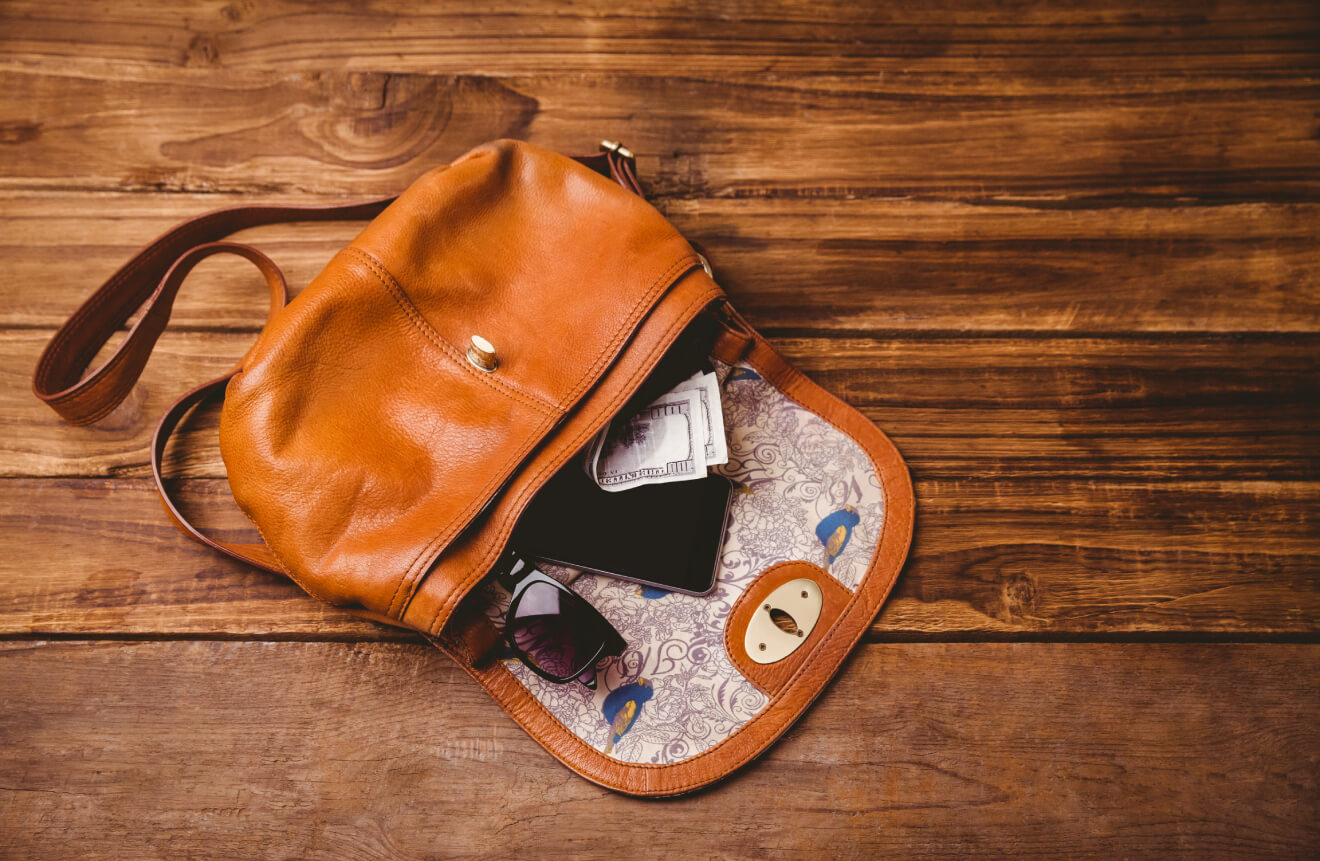
How to Care for a Leather Messenger Bag
A quality leather messenger bag is built to last decades — but only if it’s looked after properly. The good news is that leather care is not complicated. It doesn’t require expensive products, specialist knowledge, or significant time investment. What it does require is consistency and knowing which habits protect leather and which ones quietly damage it.
This guide covers everything you need to maintain a leather messenger bag in excellent condition, from daily habits to seasonal conditioning and handling the inevitable spills, scratches, and scuffs that come with regular use.
Understanding What Leather Needs
Before getting into specific care steps, it helps to understand what leather actually is and what it responds to. Leather is a natural material — tanned animal hide — that retains many properties of skin. Like skin, it contains natural oils that keep it supple and resistant to cracking. Over time, those oils deplete through use, exposure to air, heat, and moisture. When leather dries out completely, it becomes stiff, brittle, and prone to cracking along fold lines and stress points.
The entire goal of leather care is simple: keep the leather clean, keep it conditioned, and protect it from conditions that accelerate deterioration. Everything else is detail.
Daily and Weekly Habits That Make a Difference
Most leather damage accumulates gradually through small, repeated oversights rather than single dramatic incidents. Building a few basic habits into your routine prevents the majority of long-term wear.
Wipe It Down Regularly
At the end of each week, take a soft, dry cloth — microfiber works best — and wipe down the entire exterior of the bag. This removes surface dust, light dirt, and the oils transferred from hands during daily handling. These residues are harmless in small amounts but build up over time, dulling the leather’s appearance and potentially causing discoloration if left unaddressed.
For any visible smudges or light soiling, a cloth very slightly dampened with clean water is sufficient. Use minimal moisture and allow the leather to air dry naturally afterward.
Don’t Overload the Bag
Consistently overloading a messenger bag strains the stitching, distorts the bag’s structure, and puts excessive pressure on strap attachment points. Over time, this causes permanent stretching and shape loss that no amount of conditioning can reverse. Carry what the bag was designed to carry — if you regularly need more capacity, that’s a sizing issue to solve with the right bag rather than a limitation to push past.
Set It Down Carefully
Where and how you set your bag down matters more than most people consider. Rough concrete, wet surfaces, and sharp edges cause abrasions and moisture damage to the base of the bag — an area that accumulates wear quickly because it’s in constant contact with surfaces throughout the day. Use a bag hook when available, or set the bag on clean, dry surfaces rather than floors when possible.
Conditioning: The Most Important Step
If there’s a single maintenance task that has the greatest impact on a leather bag’s longevity, it’s regular conditioning. Leather conditioner replenishes the natural oils that deplete over time, keeping the material supple, preventing cracking, and maintaining the rich appearance that makes leather worth owning in the first place.
How Often to Condition
For a bag used daily, conditioning every three to four months is a reliable baseline. Bags used less frequently can be conditioned twice a year. In dry climates or during winter months when indoor heating reduces ambient humidity significantly, conditioning more frequently is worthwhile.
A simple way to gauge whether conditioning is needed: run a clean fingertip firmly across the leather surface. If it feels noticeably dry, rough, or the leather appears to lighten slightly under pressure, it’s time to condition.
Choosing the Right Conditioner
Use a conditioner specifically formulated for leather goods. Products containing beeswax, lanolin, or neatsfoot oil are widely trusted and effective. Avoid products designed for shoes with heavy wax content, as these can clog the leather’s pores and alter its appearance. Avoid petroleum-based products entirely — they degrade leather over time despite providing short-term softness.
How to Apply Conditioner
- Start with a clean, dry bag — wipe down the surface before conditioning
- Apply a small amount of conditioner to a soft cloth, not directly to the leather
- Work it in using small circular motions, covering the entire exterior surface evenly
- Pay extra attention to fold lines, corners, and the base — areas that experience the most stress and dryness
- Allow the conditioner to absorb fully, then buff away any excess with a clean dry cloth
- Let the bag rest for several hours before use
Always test a new conditioner on a small, inconspicuous area first — inside a flap or on the underside of a strap — to confirm it doesn’t alter the leather’s color or finish unexpectedly.
Handling Water and Moisture
Leather and water have a complicated relationship. Most quality leather can handle light rain without lasting damage, but prolonged exposure or saturation causes stiffening, water staining, and in severe cases, structural damage that’s difficult to reverse.
If your bag gets wet:
- Blot, don’t rub — use a dry cloth to absorb surface moisture immediately
- Allow the bag to air dry naturally at room temperature, away from radiators, direct sunlight, or hair dryers — heat causes leather to dry unevenly and crack
- Once fully dry, apply conditioner — water draws oils out of leather as it evaporates, leaving it drier than before
For bags used frequently in wet climates or unpredictable weather, applying a leather water-repellent spray every few months adds a useful protective layer without affecting the leather’s breathability or appearance.
Dealing With Scratches and Scuffs
Surface scratches are inevitable on any leather bag used regularly, and on full-grain and top-grain leather, they are largely self-correcting. Minor scratches can often be buffed out by rubbing gently with a clean fingertip — the warmth and natural oils in skin blend the scratch back into the surrounding grain.
For more visible scuffs, a small amount of leather conditioner worked into the affected area with a soft cloth achieves the same result. Deeper gouges that break the leather’s surface are harder to address at home and may benefit from professional leather repair if appearance is a priority.
On crazy horse or waxed leather, scratches are part of the aesthetic — they blend into the finish and contribute to the patina that makes these leathers distinctive. Buffing with a cloth is all that’s needed.
Storing Your Leather Messenger Bag
How you store a leather bag when it’s not in use affects its long-term shape and condition more than most people realize.
- Stuff the bag loosely with acid-free tissue paper or a soft cloth insert to help it maintain its structure
- Store it in a breathable dust bag — the cotton or canvas pouches that often come with premium bags are ideal. Never store leather in plastic, which traps moisture and promotes mildew
- Keep it in a cool, dry location away from direct sunlight, which fades and dries leather over time
- Store the bag upright rather than on its side or compressed under other items
A Simple Maintenance Schedule
Consistency matters more than intensity when it comes to leather care. This straightforward schedule covers everything a leather messenger bag needs:
- Weekly: Wipe down with a dry microfiber cloth
- Monthly: Inspect hardware, stitching, and strap attachments for early signs of wear
- Every 3–4 months: Condition with a quality leather conditioner
- Every 6 months: Apply water-repellent treatment if the bag is regularly exposed to rain
- As needed: Spot clean soiling, buff out surface scratches, re-condition after heavy rain exposure
Well Cared For, Built to Last
A leather messenger bag that receives basic, consistent care will reward that attention with decades of reliable use and a patina that no new bag can replicate. The investment in a quality bag only pays off fully when the bag is maintained — and as this guide shows, that maintenance is far simpler than most people expect.
Clean it regularly, condition it consistently, protect it from prolonged moisture, and store it properly. That’s genuinely all it takes to keep a leather messenger bag looking and performing at its best for as long as you choose to carry it.
